

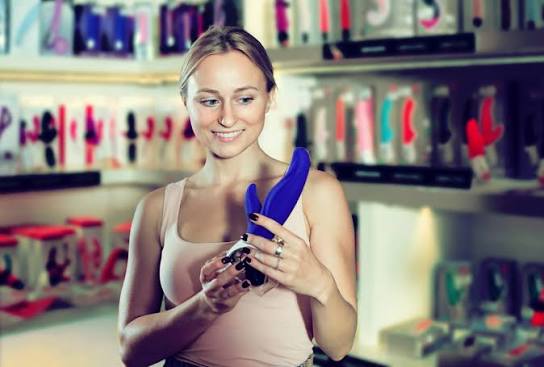
Self-care was once defined primarily by basic health routines, skincare regimens, quiet meditation, or gym memberships. Over the past decade, that definition has expanded considerably. Personal wellness is no longer limited to surface-level pampering; it now encompasses emotional grounding, nervous system regulation, somatic awareness, and sexual health. As society moves past historical taboos, adult novelties and sexual wellness devices have stepped out of novelty shops and entered the mainstream category of holistic well-being.
Integrating these items into daily or weekly self-care routines reflects a cultural pivot toward proactive health management. People increasingly recognize that sexual satisfaction, pelvic health, and physical pleasure are closely tied to mental equilibrium and physical vitality. Understanding this shift requires looking at the changing cultural landscape, the physiological benefits of pleasure, and the modernization of wellness design.
The Cultural Evolution of Sexual Wellness
For generations, discussions around adult items were shrouded in secrecy, shame, or crude sensationalism. Products were often sold in poorly lit specialty stores situated on the outskirts of towns, packaged discreetly, and treated as indulgences rather than tools for personal health.
Several cultural forces dismantled this paradigm:
-
Open Conversations on Mental Health: As dialogue around stress, body image, and emotional burnout expanded, people began questioning why one of the most natural human functions remained omitted from the conversation.
-
Mainstream Retail Adoption: Major pharmacy chains, department stores, and online beauty retailers began stocking body-safe adult devices directly alongside vitamins, bath salts, and sleep aids, normalizing their purchase.
-
The Body Positivity and Autonomy Movement: Greater cultural emphasis on bodily autonomy encouraged individuals to explore what feels good to them without external judgment or dependence on a partner.
-
Medical Endorsement: Pelvic floor physical therapists, gynecologists, and sexologists began actively discussing the therapeutic applications of targeted stimulation for pain relief, muscle tone, and postpartum recovery.
This cultural transition recast intimate items not as forbidden novelties, but as legitimate personal instruments that serve physical and mental equilibrium.
Physiological Mechanisms: How Pleasure Promotes Wellness
From a biological standpoint, personal pleasure triggers complex neurochemical reactions that rival conventional relaxation techniques. Intimacy devices act as reliable facilitators for these reactions, providing predictable ways to decompress the central nervous system.
Neurochemical Release and Stress Reduction
When the body experiences physical arousal and climactic release, the brain produces a potent cocktail of beneficial hormones and neurotransmitters:
-
Endorphins: These natural pain relievers elevate mood, ease muscle tension, and produce a gentle sedative sensation that counteracts chronic stress.
-
Dopamine: Often called the reward molecule, dopamine provides a sense of motivation, satisfaction, and positive reinforcement.
-
Oxytocin: Known as the bonding hormone, oxytocin fosters feelings of safety, contentment, and emotional relaxation, whether experienced individually or shared with a companion.
-
Prolactin: Surging immediately following climax, prolactin promotes deep, restorative rest and aids the transition from high-alert sympathetic nervous states into restorative parasympathetic states.
These chemical shifts actively suppress cortisol, the body primary stress hormone. For many individuals dealing with the physical tension of modern desk jobs and digital overwhelm, utilizing intimate tools offers a rapid, somatic reset that quiet sitting or passive television watching cannot easily replicate.
Sleep Enhancement and Insomnia Relief
Insomnia and fragmented sleep frequently stem from an overactive sympathetic nervous system. The hormonal cascade that follows physical climax directly encourages sleep readiness. Arterial pressure stabilizes, breathing deepens, and cognitive chatter slows down. Incorporating intimate items into evening bedtime routines has become a drug-free alternative for individuals seeking deep, restorative slumber without prescription sleep aids.
Pelvic Health and Physical Functionality
Adult products also serve mechanical and rehabilitation functions. Devices designed to strengthen the pelvic floor, such as weighted training balls or biofeedback tools, help preserve core stability, treat urinary incontinence, and aid recovery following childbirth. Furthermore, targeted vibration increases blood circulation throughout pelvic tissues, keeping sensitive nerve endings responsive and reducing muscle stiffness associated with pelvic floor hypertonicity.
Dismantling Shame and Fostering Bodily Autonomy
A core tenet of self-care is honoring personal boundaries and developing self-knowledge. For many people, particularly women and marginalized communities who have historically faced restrictive messaging regarding their bodies, exploring personal anatomy with dedicated tools is an act of reclamation.
Using intimate devices cultivates somatic awareness. When an individual understands their own sensory map, they develop greater confidence in communicating desires and boundaries to partners. Far from detracting from interpersonal relationships, solo exploration through adult devices frequently enriches shared intimacy by removing performance anxiety and clarifying what sensations are most enjoyable.
Solo intimacy also provides a reliable sanctuary where there is no pressure to perform, please someone else, or meet external expectations. In a world full of social obligations and work deadlines, this private space serves as an important refuge for mental grounding.
Modern Product Design and Body-Safe Materials
The physical evolution of adult products has played a massive role in their reclassification as self-care essentials. Early items were often manufactured from cheap plastics, porous rubbers containing harmful phthalates, and loud motors that felt industrial rather than therapeutic.
Contemporary manufacturers approach these products through the lens of industrial design, ergonomics, and medical-grade manufacturing:
-
Non-Porous Medical-Grade Silicone: Modern devices rely heavily on skin-safe, hypoallergenic materials that are easy to sterilize, non-reactive with human tissue, and soft to the touch.
-
Whisper-Quiet Engineering: Advanced brushless motors ensure devices operate at low decibel levels, reducing anxiety around privacy and creating a more serene environment.
-
Aesthetic Refinement: Products now feature minimalist silhouettes, subtle pastel tones, and magnetic charging cradles that blend effortlessly into bedroom decor or bathroom vanity trays.
-
Customizable Technology: Microprocessors enable diverse pulse patterns, warming elements, and biofeedback sensors that adapt to user preferences, shifting the user experience from basic stimulation to tailored sensory therapy.
When a device looks, feels, and performs like a sophisticated electronic gadget rather than a crude prop, it naturally takes its place alongside sonic toothbrushes, facial massage rollers, and smart fitness trackers.
Redefining Personal Wellness for the Modern Era
The migration of adult products into the realm of self-care represents a broader cultural maturation. Treating physical pleasure, sexual health, and somatic stress relief as integral components of a balanced life removes unnecessary layers of anxiety and taboo. When viewed objectively through biology and psychological health, these items are simple instruments that support relaxation, self-knowledge, and physical restoration. As self-care continues to shed superficial trends in favor of practical, science-backed personal health routines, sexual wellness products will remain a fundamental pillar of overall human well-being.
Frequently Asked Questions
Are materials used in modern adult wellness products regulated for consumer safety?
While regulatory oversight varies by geographic region, reputable brands voluntarily adhere to international safety certifications. High-end products generally utilize medical-grade, platinum-cured silicone and body-safe ABS plastic that are free of phthalates, latex, and toxic plasticizers.
How do pelvic floor trainers differ from standard wellness massagers?
Pelvic floor trainers are specifically engineered to provide structural resistance or biofeedback, helping users isolate and contract the pubococcygeus muscles. Standard massagers, by contrast, focus on external or internal nerve stimulation and blood flow promotion rather than progressive muscle loading.
Can regular use of high-powered intimate items cause permanent desensitization?
Temporary sensory fatigue can occur after prolonged exposure to intense vibration, often called the dead leg sensation. However, this effect is transient; sensory nerves recover fully within a few hours or days, and regular use does not lead to permanent nerve damage.
What is the proper protocol for cleaning and storing body-safe silicone tools?
Silicone devices should be washed with warm water and mild, unscented antibacterial soap or a specialized cleanser formulated for intimate devices. They should be allowed to air dry completely and stored in breathable pouches away from direct sunlight, extreme heat, and other silicone products to prevent chemical degradation.
How do warming features in modern devices contribute to relaxation?
Integrated heating elements gently raise the device temperature to match or slightly exceed natural body heat. This thermal warmth encourages localized vasodilation, increasing blood flow to pelvic tissues and easing muscular tension before and during use.
Why are water-based lubricants strongly recommended over oil-based alternatives for silicone items?
Silicone-based or oil-based substances create a chemical reaction that breaks down the smooth surface of silicone tools, causing them to become gummy, pitted, and difficult to clean. Water-based formulas protect the integrity of the material while providing optimal glide and comfort.
Can using intimate tools regularly interfere with physical responsiveness during partnered intimacy?
Clinical evidence indicates that self-exploration generally enhances partnered experiences by increasing pelvic blood flow and helping individuals identify sensations that lead to arousal. Any perceived disconnect usually stems from habits easily addressed by varying speed, pressure, and stimulation techniques.
