

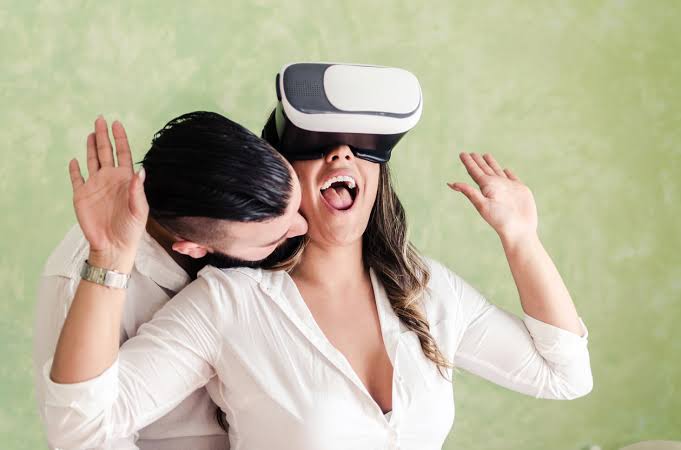
Technology has reshaped communication, commerce, and healthcare, and it is now fundamentally altering human intimacy. Sextech—technology designed to enhance, facilitate, and innovate human sexuality and intimate experiences—has evolved from a niche novelty into a multi-billion-dollar wellness industry. Where the sector once focused primarily on basic mechanical devices, modern developments integrate advanced artificial intelligence, biomonitoring, immersive spatial computing, and next-generation haptics.
This evolution reflects broader cultural shifts toward sexual wellness, relationship diversity, and digital communication. As societal views continue to destigmatize sexual health, technological advancements bridge physical distance, improve accessibility for disabled populations, and redefine how individuals form emotional and physical bonds. Understanding sextech requires examining the technological innovations, cultural implications, and ethical frameworks that govern this rapidly evolving landscape.
The Evolution Toward Holistic Sexual Wellness
For decades, consumer intimate products existed largely in adult novelty stores, disconnected from mainstream consumer wellness. The contemporary sextech revolution repositions these technologies alongside digital therapeutics, mental health applications, and preventative care.
-
Medical Integration and Pelvic Health: Modern sextech intersects directly with physical therapy and reproductive health. Smart pelvic floor trainers now incorporate biofeedback sensors to treat postpartum recovery, pelvic pain, and urinary incontinence. These devices connect to mobile interfaces that guide users through clinically validated regimens, tracking muscle contraction strength and endurance over time.
-
Design Philosophy and Inclusivity: Mainstream design firms now create intimate wellness products using body-safe, medical-grade silicone and ergonomic profiles that deliberately eschew traditional aesthetic clichés. This shift prioritizes discretion, bodily diversity, and accessible controls for individuals with limited dexterity or motor impairments.
-
Hormonal and Cycle Tracking: Biometric sensors embedded in everyday wearables now cross-reference temperature fluctuations, resting heart rate, and hormonal markers to predict libido shifts and fertility cycles. This data-driven approach removes guesswork, allowing users to understand how stress and biology affect their desire patterns.
Teledildonics and the Expansion of Remote Connection
Long-distance relationships and distributed lifestyles have driven significant demand for synchronized intimate hardware. Known broadly as teledildonics, this sector relies on low-latency internet connectivity, Bluetooth integration, and cloud-synced micro-actuators to transmit physical touch across any distance.
-
Two-Way Force Feedback: Early remote devices relied on one-way commands, where one user manually adjusted the vibration speed of a partner device via a basic smartphone app. Current iterations utilize bidirectional haptic feedback. When one partner exerts physical pressure on a device, integrated load cells translate that pressure into reciprocal resistance or movement in the connected device.
-
Audio and Video Integration: Modern platforms combine encrypted video conferencing with synchronized hardware, allowing simultaneous audiovisual and tactile connection. This minimizes the sensory lag between seeing a partner reaction and feeling the hardware respond.
-
Interactive Media Synchronization: Beyond interpersonal connections, teledildonics increasingly interfaces with digital media. Video platforms, virtual adult entertainment, and narrative games can encode dedicated telemetry tracks alongside audio and video files. Hardware automatically responds to on-screen cues, matching frequency, depth, and intensity in real time.
Artificial Intelligence and Relational Companionship
Artificial intelligence is perhaps the most disruptive frontier in the intimacy landscape. While hardware addresses the physical aspects of connection, conversational software and neural networks are addressing the emotional, psychological, and social facets.
-
Adaptive Conversational Agents: Large language models trained specifically for relational interaction provide continuous, context-aware dialogue. These companions remember personal preferences, conversation histories, and emotional nuances, simulating ongoing relationship development. For individuals experiencing acute loneliness, social anxiety, or grief, these tools offer conversational practice and judgment-free validation.
-
Customization and Dynamic Personalities: AI companions are no longer static scripts. Users can calibrate personality traits, humor styles, and conversational boundaries. The software adapts its linguistic patterns to complement the user communication style, creating an illusion of mutual understanding.
-
Algorithmic Compatibility and Dating Platforms: Matchmaking applications are shifting away from manual swiping toward predictive behavioral analysis. Instead of relying on self-reported profile answers, emerging platforms analyze messaging rhythms, semantic interest patterns, and micro-interactions to pair individuals with higher long-term compatibility.
Virtual Reality, Spatial Computing, and Immersive Intimacy
The arrival of high-resolution spatial computing headsets has expanded the possibilities for immersive digital intimacy. Immersive environments offer levels of presence that conventional flat screens cannot replicate.
-
Spatial Audio and Volumetric Capture: Volumetric video captures subjects in three dimensions, allowing viewers to move around digital avatars with six degrees of freedom. Combined with head-related transfer function spatial audio, users perceive sound and movement as though an individual is physically present in the room.
-
Micro-Climate and Sensory Simulation: Advanced research labs and specialized peripheral manufacturers are experimenting with multi-sensory integration. Beyond simple vibration, developers are building peripherals that simulate thermal variations (warmth and cooling) and subtle air pressure shifts to replicate human breath and skin contact.
-
Digital Safe Spaces and Intimacy Exploration: Virtual worlds allow individuals to explore sexual orientation, gender expression, and relationship boundaries in secure, anonymized environments before translating those insights into physical reality.
Privacy, Cybersecurity, and Ethical Boundaries
Because sextech devices gather and transmit deeply sensitive biometric and behavioral data, the industry faces substantial ethical and regulatory challenges. A data breach involving intimate hardware or conversational logs poses risks that far exceed standard credit card or account credential theft.
-
Data Governance and Encryption: Intimate hardware manufacturers must employ end-to-end encryption for Bluetooth links and cloud data channels. Devices that store telemetry, usage frequency, and personal chat histories require stringent data handling policies to prevent unauthorized surveillance, extortion, or corporate monetization of intimate habits.
-
Consent Architecture: As hardware becomes more automated and networked, software interfaces must enforce explicit, ongoing consent mechanisms. Platforms require clear kill switches, revocation permissions, and granular controls that let users dictate who can access hardware controls and for how long.
-
Emotional Dependency and Social Displacement: The rise of hyper-responsive AI companions introduces psychological concerns regarding parasocial attachments. If artificial entities provide frictionless affirmation without the compromises inherent to human relationships, users may struggle to build resilience, negotiate boundaries, or engage in traditional social communities.
Frequently Asked Questions
What defines a device or application as sextech rather than consumer electronics?
A product qualifies as sextech when its explicit design, engineering, or primary software function facilitates sexual health, intimate human-to-human communication, pelvic rehabilitation, or sexual exploration. While smartphones or cameras can be used for intimate purposes, sextech is built specifically to address physical, emotional, or sensory aspects of intimacy.
How do manufacturers secure personal intimate data against third-party access?
Reputable manufacturers deploy end-to-end encryption protocols, ensuring that signals traveling between a smartphone app and an intimate device cannot be intercepted. Furthermore, privacy-focused developers implement zero-knowledge architectures, meaning user telemetry, usage duration, and operational patterns are never saved in identifiable formats on central servers.
Can intimate wellness hardware function without an active internet connection?
Most advanced intimate devices feature manual control buttons and onboard firmware that allow complete offline functionality. While remote long-distance pairing and cloud-synced software features require an active internet connection, basic operation typically does not require external network access.
What power and charging standards are becoming common across modern devices?
To maintain water resistance and body safety, manufacturers have largely transitioned away from exposed micro-USB ports. Modern devices commonly use proprietary magnetic charging contacts or Qi-compatible wireless inductive charging docks, sealing the internal batteries against moisture and bodily fluids.
Are virtual reality intimacy applications compatible with standard gaming headsets?
Most virtual reality intimacy platforms are designed to run on standard commercial head-mounted displays. Access to specialized spatial computing content depends on device processing power, display resolution, and whether the platform allows side-loading or web-based WebXR execution outside of official digital storefronts.
How do haptic feedback motors differ from basic vibration motors?
Basic vibration motors utilize eccentric rotating mass components that spin an unbalanced weight, generating simple, uniform buzzing. Modern haptics rely on linear resonant actuators or voice-coil actuators that can instantaneously vary frequency, amplitude, and directional force, mimicking nuanced physical sensations such as taps, pulses, and textures.
What regulatory bodies oversee the safety and claims of intimate tech?
Regulatory oversight depends entirely on the stated use case of the product. Devices marketed strictly for recreation operate under general consumer electronics safety regulations covering battery and material safety. Conversely, devices classified as pelvic floor trainers, clinical biofeedback tools, or fertility aids undergo rigorous evaluation as Class II medical devices by agencies such as the US Food and Drug Administration or European health regulators.
